Episode 2: Gold, Cuban Cigars & Mud
About our guest
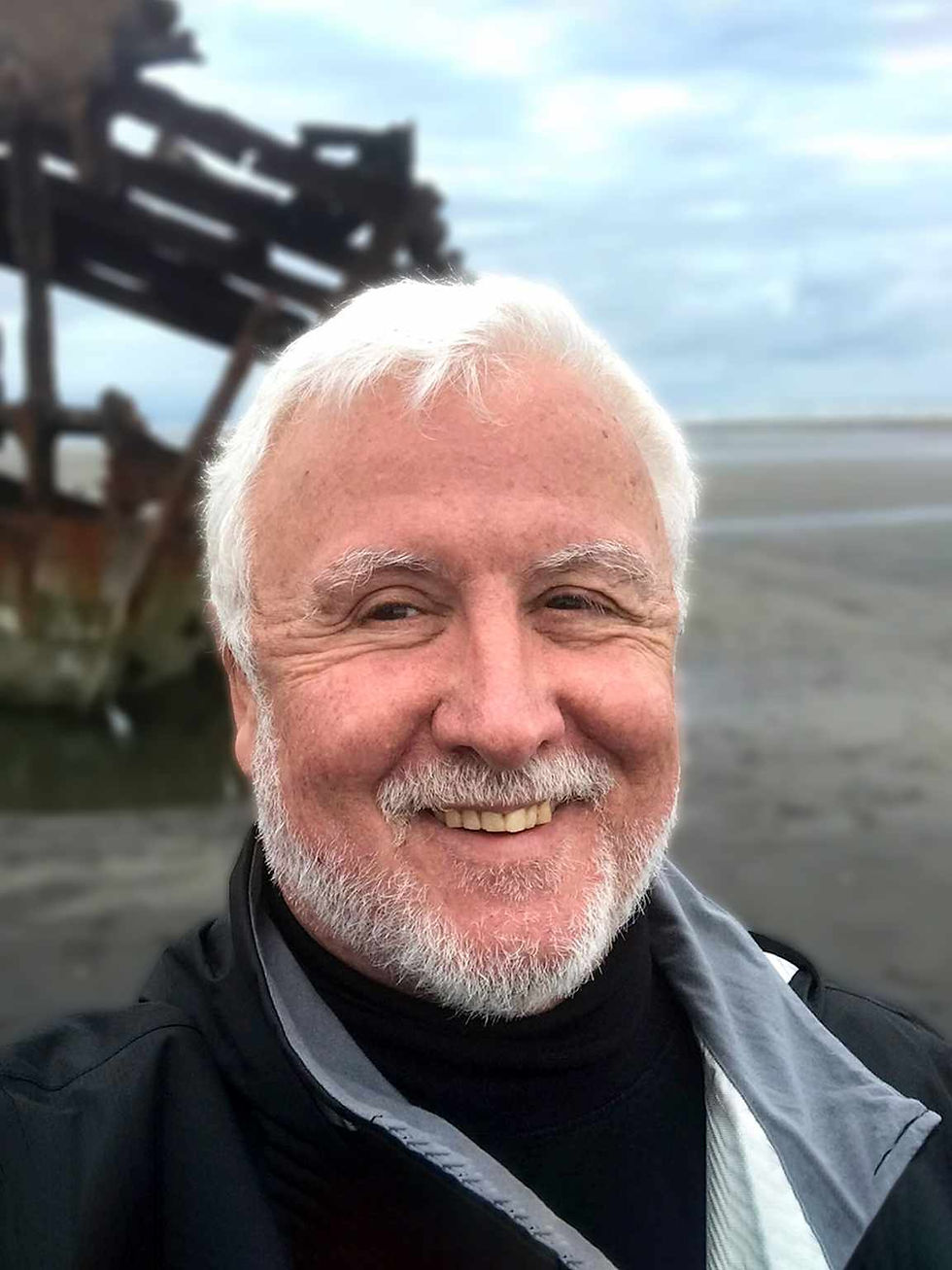
James P. Delgado is a maritime archaeologist, historian, television host, and author whose career spans five decades and stretches from San Francisco Bay to deep ocean dives on some of the world's most storied shipwrecks. From the Titanic to Civil War ironclads, Pearl Harbor warships, or the lost slave ship Clotilda, Jim is noted for his exceptional work in documenting and preserving historic ships and shipwrecks and at conveying the human stories that lie behind them.
Jim was the first Park Historian for Golden Gate National Recreation Area, the founding Maritime Historian for the U.S. National Park Service, director of the Vancouver Maritime Museum, and president and CEO of the Institute of Nautical Archaeology. His leadership in establishing best practices for marine archaeological fieldwork has supported research projects across the globe.
He has served as a television host and series consultant for major documentary productions, including six years hosting National Geographic International's The Sea Hunters. He has written numerous books, including Gold Rush Port, which tells of San Francisco's waterfront during the Gold Rush era, and most recently Museum of the Sea: A Human History of Shipwrecks. Whether he is exploring, researching, or storytelling, Jim Delgado is drawn to the same questions: What do shipwrecks tell us about who we are, how we moved across the planet, and what we chose to carry with us?
Episode Highlights

A City Built on Ships. San Francisco’s financial district was once Yerba Buena Cove—a crowded Gold Rush harbor. As the city expanded, it built directly over abandoned vessels. Today, ships still lie buried beneath downtown, preserved in the Bay’s thick mud.
Launch of a career. Being on hand for the discovery of the Niantic, a Gold Rush ship found nearly intact at Clay and Sansome in 1978, sparked Jim Delgado's lifelong interest in marine archaeology.

Ships Buried Beneath Your Feet. This map illustrates the number of Gold Rush ships hidden under the Financial District. Today, you can stand at Battery and Clay and see markers in the sidewalk tracing the outline of the General Harrison, lying 20 feet below the sidewalk in what was once the cove.


Everyday Lives in the Mud. Artifacts preserved by mud and tidal action under the city tell stories of people, not just ships. Stevedoring tools, iron bunks, family daguerrotypes, a leather coat, and a bag of peanuts offer us a glimpse of the real lives of ordinary working people caught up in the rush of a global moment.
The Birth of a Global Economy. Holds filled with French wine, Cuban cigars, Chinese tea, truffles, coffee, and preserved meats tell a wider story: that Gold Rush San Francisco was an early engine in a global economy built on trade and movement.
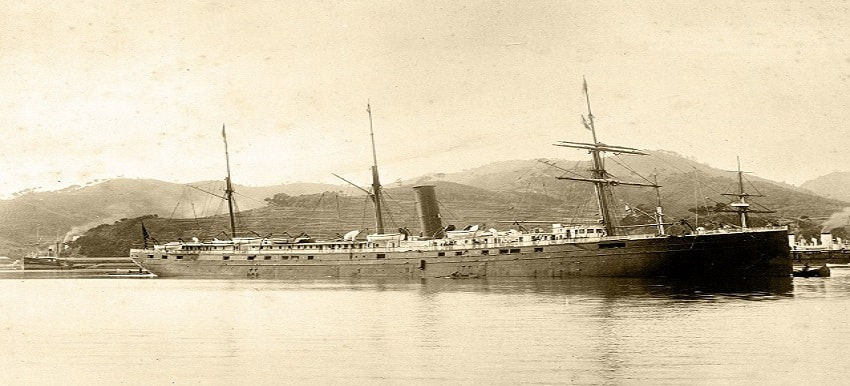
Shipwrecks in the Bay. There have been more than 300 maritime accidents in and around San Francisco Bay. From the Golden Gate to Tennessee Cove and out to the Farallones, Jim Delgado walks us though some of those stories. Two notable wrecks are the City of Chester (1888), lost following a collision in fog, and the City of Rio de Janeiro (1901), the Bay's deadliest disaster.

The Mystery of the USS Conestoga. A Navy tug that vanished in 1921 was long believed lost near Hawaii. Instead, it lay just off the Farallones, where Jim Delgado helped discover it nearly a century later. He then gave answers to the living, calling the descendants to tell them at long last: the captain and crew did nothing wrong.
Unread Books Beneath the Water. Each shipwreck is what Jim Delgado calls an “unread book.” It's a story waiting to be opened, whether for the first time or for rereading in a new light by a new generation.




Comments